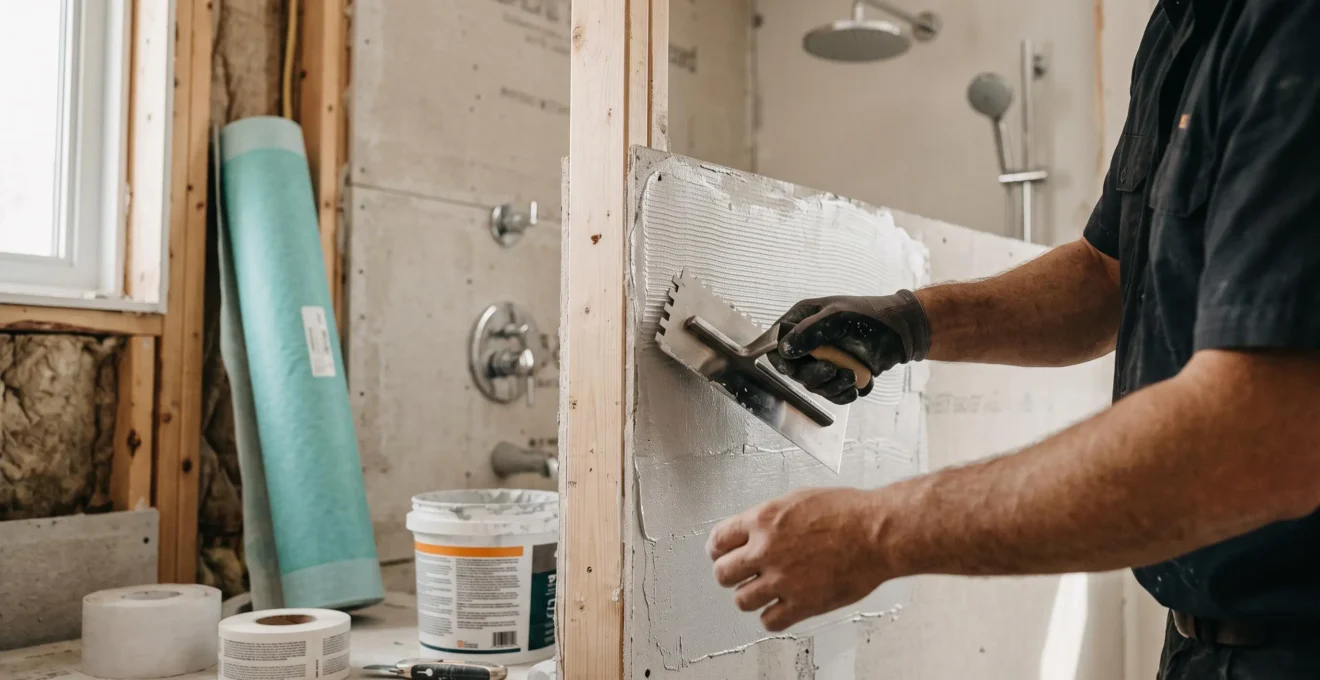
A persistent dark ring creeps along your shower tile grout. You scrub it with bleach, watch it disappear, then find it back three weeks later in the exact same spot. This cycle frustrates thousands of Canadian homeowners who treat mould as a cleaning problem rather than what building science reveals it actually is: a structural ventilation failure.
The issue extends beyond aesthetics. Research from Health Canada’s guide on moisture and mould indoors demonstrates that households with visible mould expose occupants to elevated respiratory risks, particularly children and individuals with compromised immune systems. Yet most bathroom mould articles focus on surface treatments—vinegar sprays, dehumidifiers, weekly scrubbing routines—that address symptoms without touching root causes.
Professional renovation combining proper waterproofing with controlled mechanical ventilation (CMV) systems eliminates the moisture conditions mould requires to establish colonies. The difference between temporary cleaning and permanent elimination lies in understanding why your bathroom creates an ideal mould habitat in the first place.
- What causes bathroom mould — and why it keeps coming back
- CMV and mechanical ventilation: the permanent solution bathroom renovations should include
- Your action plan: eliminating bathroom mould in three phases
- Maintaining your ventilation system for lasting mould protection
- Common questions about bathroom mould and ventilation
Your permanent mould solution roadmap
- Mould persists because surface cleaning doesn’t address root causes: excess humidity (above 60%) and inadequate ventilation
- CMV (Controlled Mechanical Ventilation) systems reduce bathroom humidity by 40-60%, preventing mould growth at the source
- Professional bathroom renovation integrating waterproofing and mechanical ventilation eliminates mould permanently
- Three-phase action plan: assess and clean current mould → install/upgrade ventilation → implement structural waterproofing improvements
What causes bathroom mould — and why it keeps coming back
The most frequently overlooked factor in bathroom mould recurrence is relative humidity levels exceeding 60%, the threshold where fungal spores activate. Surfaces provide ideal colonization conditions when bathroom air remains above this level for extended periods. A single five-minute shower spikes humidity to 80-90%, and without adequate air exchange, these levels persist for hours.
According to Health Canada’s moisture control guidelines, showering generates primary moisture loads in Canadian homes—particularly when exhaust fans malfunction or aren’t used. Energy-efficient construction, while reducing heating costs, inadvertently traps moisture indoors when ventilation systems fail to compensate. In typical scenarios, morning showers create condensation on cold exterior walls where thermal bridging occurs, feeding mould growth in grout lines and ceiling corners week after week.
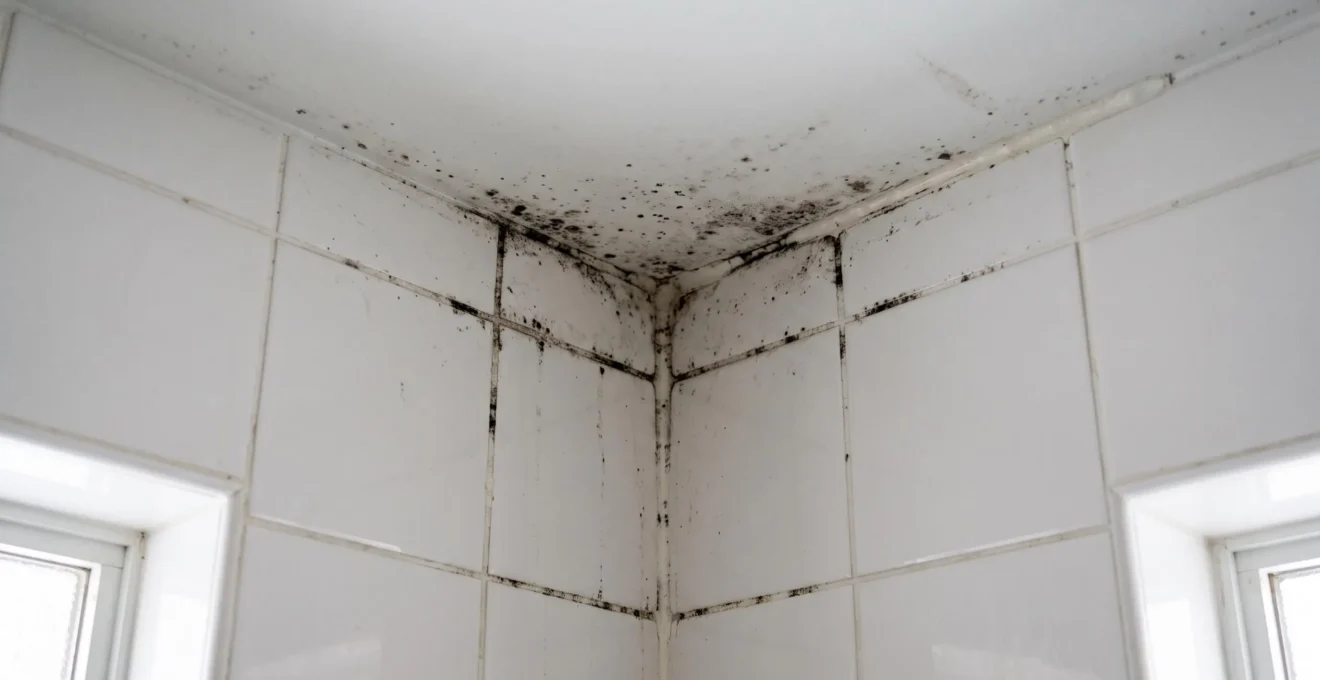
The third variable homeowners underestimate is moisture infiltration from structural sources. Poorly installed vapor barriers, degraded grout, and inadequate waterproofing membranes allow water to penetrate wall cavities during showers. Trapped moisture evaporates slowly over days, maintaining elevated humidity even when the room appears dry. Bleach-based cleaning provides temporary surface removal without addressing underlying causes—explaining why the same spots darken within weeks.
Common mistake: Treating mould as a hygiene issue rather than recognizing it as physical evidence of ventilation system failure and moisture control deficiencies. Surface cleaning removes visible growth but does nothing to eliminate the humidity conditions that enable rapid recolonization.
CMV and mechanical ventilation: the permanent solution bathroom renovations should include
Controlled Mechanical Ventilation systems operate differently than intermittent exhaust fans. Rather than waiting for manual activation after moisture generation, CMV provides continuous low-level air exchange preventing humidity accumulation. Research published in PubMed Central measuring HRV effectiveness in Canadian homes demonstrates that balanced mechanical ventilation with heat recovery achieves 39% median effectiveness for air quality improvement—a significant reduction in airborne contaminants when operated continuously.
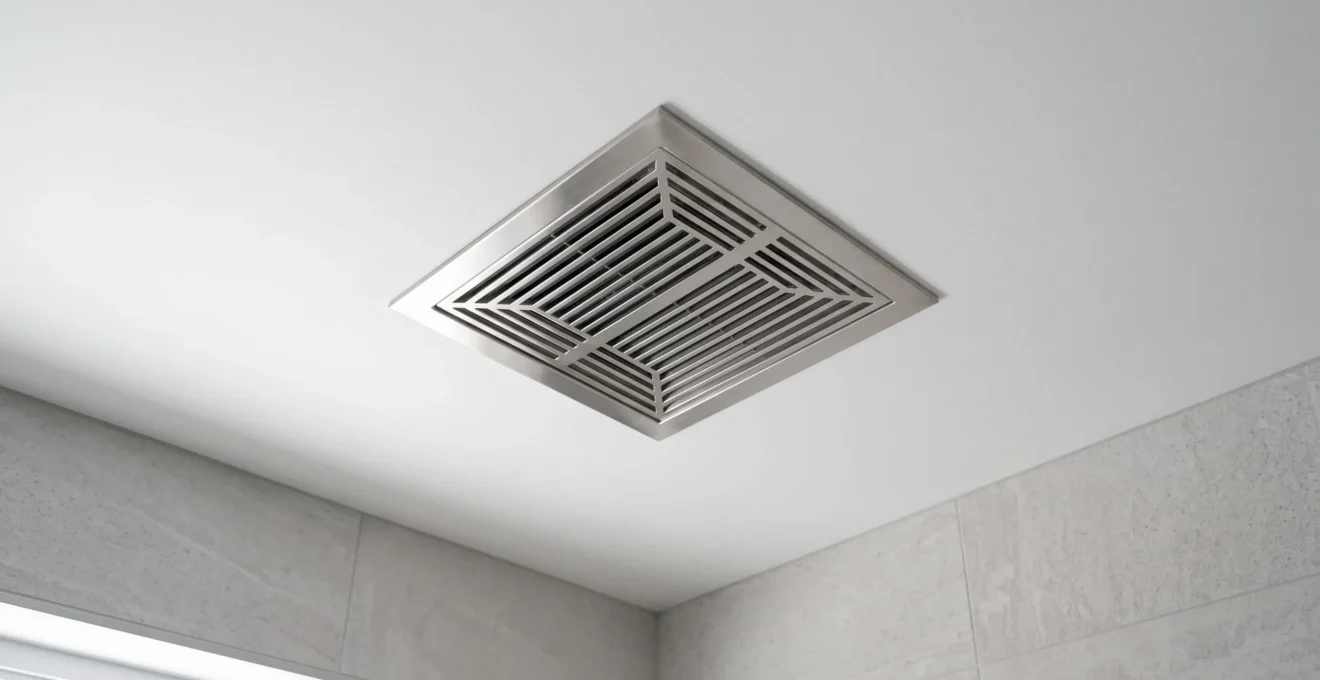
Ontario’s Building Code updates reflect this shift toward whole-home ventilation strategies. According to the Heating, Refrigeration and Air Conditioning Institute of Canada, harmonization with National Building Code 2020 mandates bathroom exhaust fans provide minimum 50 CFM airflow. Bathrooms under 100 square feet require this capacity for sufficient air changes during peak moisture events. Older exhaust fans rarely deliver this performance due to undersized ductwork, excessive duct length, or motor degradation.
Comprehensive bathroom renovation distinguishes itself from patchwork approaches by addressing both ventilation deficiencies and moisture infiltration structurally. Professional projects combine CMV installation with waterproofing membranes, vapor barriers, and tile work preventing water penetration. Field data shows homes implementing this integrated approach report mould elimination rates exceeding 90% at 18-month follow-up assessments.
The comparative analysis below clarifies how different intervention strategies perform across cost and long-term effectiveness. Homeowners often assume professional renovation represents unnecessary expense when simpler solutions exist. Building science demonstrates otherwise: cumulative costs of repeated cleaning products, portable dehumidifiers, and property value reduction from mould damage frequently exceed upfront investment in permanent structural solutions.
The following compares three common approaches for bathroom mould. Cost estimates reflect Ottawa-area pricing as of 2025-2026, with effectiveness ratings from building science research on moisture control interventions.
| Approach | Upfront Cost (CAD) | 1-Year Effectiveness | 5-Year Effectiveness | Health Risk Reduction | Verdict |
|---|---|---|---|---|---|
| DIY cleaning + dehumidifier | $150-400 | Low (mould returns) | Very Low | Temporary only | Short-term symptom relief |
| Ventilation upgrade only | $800-2,500 | Moderate-High | Moderate (if no structural moisture) | Significant improvement | Effective if waterproofing intact |
| Full renovation (ventilation + waterproofing) | $3,500-8,000+ | Very High | Very High | Maximum protection | Permanent solution, best ROI |
Your action plan: eliminating bathroom mould in three phases
The recommended approach for Ottawa’s climate involves sequential intervention rather than attempting all improvements simultaneously. This phased strategy allows homeowners to address immediate health risks first while planning the structural upgrades that deliver permanent results. Each phase builds on the previous one, with clear decision points where professional assessment determines the next appropriate step.
Phase 1: Initial assessment and surface treatment
Begin by measuring the extent of visible mould growth. Isolated spots smaller than one square foot in shower corners or along grout lines typically indicate localized condensation issues manageable through improved ventilation habits and minor surface cleaning. For these limited cases, a solution of water and detergent (avoiding bleach on porous surfaces where it proves ineffective) removes surface colonies when applied with stiff-bristled brushing.
Document the locations photographically before cleaning—this provides comparison baseline for assessing whether interventions succeed or mould returns to identical spots. Test your current exhaust fan by holding a single tissue sheet near the grille while the fan runs; the tissue should be held firmly against the grille by suction. If it falls or barely moves, airflow falls well below the 50 CFM minimum standard, signaling immediate need for Phase 2 upgrades.
When DIY mould removal becomes unsafe: If mould covers more than 10 square feet, appears behind walls or under flooring, or if you experience persistent respiratory symptoms (coughing, wheezing, eye irritation), stop DIY efforts immediately. Extensive infestations require certified mould remediation professionals with proper containment equipment. Health Canada guidelines specify this threshold to prevent exposure to high spore concentrations during disturbance.
Phase 2: Installing effective mechanical ventilation
Professional HVAC assessment determines whether your bathroom requires standalone enhanced exhaust capacity or integration into whole-home CMV systems. Windowless bathrooms under current Ontario Building Code mandates (effective January 2025) require mechanical ventilation meeting the 50 CFM minimum specified in harmonized national standards. Bathrooms with windows receive the same recommendation when occupants prefer privacy and keep windows closed during cold months—a common pattern in Ottawa’s climate where January temperatures regularly reach -15°C to -20°C.
Heat Recovery Ventilator (HRV) or Energy Recovery Ventilator (ERV) systems represent the premium tier of mechanical ventilation, recovering 60-80% of heat from exhausted air before it exits the building. The upfront cost ($1,800-$4,000 installed for bathroom-integrated systems) generates long-term savings through reduced heating bills while delivering superior humidity control compared to simple exhaust fans. Installation timelines typically span 4-6 hours for ductwork connection to existing HVAC infrastructure, or 1-2 days when bathroom location requires new dedicated ductwork runs through attic or basement spaces.
Phase 3: Structural improvements and waterproofing
This phase addresses the moisture infiltration sources that ventilation alone cannot eliminate. Professional bathroom renovation incorporates waterproofing membranes applied directly to wall substrates before tile installation, creating impermeable barriers that prevent shower water from penetrating into wall cavities. Modern membrane systems use liquid-applied or sheet materials meeting Canadian building code standards for wet area protection, with particular attention to vulnerable transitions at floor-wall junctions and around plumbing penetrations.
The tile replacement component extends beyond aesthetics. Proper installation over waterproof membranes, using appropriate thinset mortar formulations and sealed grout lines, transforms bathroom surfaces from moisture-absorbing liabilities into moisture-shedding protective layers. Custom vanities and storage solutions integrated during renovation improve functionality while replacing older cabinetry where hidden mould often colonizes particle board in moist environments. The combined result: bathrooms that maintain relative humidity below 50% within 20 minutes of shower completion, preventing the sustained moisture exposure mould requires for growth.
Homeowners who implement all three phases report mould elimination within 2-4 weeks of Phase 3 completion, with follow-up inspections at 6-month and 18-month intervals confirming no recurrence when ventilation systems receive basic maintenance.
Maintaining your ventilation system for lasting mould protection
Properly installed professional ventilation systems require minimal maintenance. CMV and HRV systems need approximately 15 minutes of attention per quarter to sustain peak performance—a modest investment protecting your renovation. Deferred maintenance gradually reduces airflow capacity as dust accumulates on grilles and fan blades, eventually returning your bathroom to inadequate ventilation conditions that enabled initial mould growth.
The most critical maintenance interval occurs at filter replacement points. Systems with filtration (common in HRV/ERV installations) require replacement quarterly to annually depending on filter grade and household conditions. Homes with pets, construction dust, or multiple occupants benefit from quarterly replacement. Manufacturer-specified filters ensure the system maintains design airflow rates without motor strain from clogged media.
- Inspect exhaust grille for dust accumulation; vacuum gently with soft brush attachment
- Check exhaust fan operation: turn on and hold tissue near grille to verify airflow suction
- Replace or clean exhaust fan filter (if equipped) according to manufacturer specifications
- Inspect ductwork connections in attic/crawlspace for disconnections or damage (annual check)
- Test bathroom humidity levels with hygrometer: should drop below 60% within 20 minutes of shower
Annual professional HVAC inspection provides deeper system assessment. Technicians verify motor bearing condition, measure airflow against design specifications, and inspect ductwork for separation or compression. Catching minor degradation early prevents complete system failures that allow mould conditions to re-establish. These inspections typically cost $120-180 and integrate with furnace maintenance visits scheduled each fall. Maintaining your bathroom ventilation system represents one component of comprehensive indoor air quality management that contributes to healthier air throughout your home.
Common questions about bathroom mould and ventilation
How much does CMV installation cost for a standard bathroom in Ottawa?
Professional CMV system installation typically ranges from CAD 1,500 to 4,000 depending on ductwork requirements, system type (single-room exhaust vs. whole-home HRV), and accessibility. Systems with heat recovery (HRV/ERV) cost more upfront but reduce heating costs in Ottawa’s cold climate.
Will mechanical ventilation work in a windowless bathroom?
Yes—windowless bathrooms are ideal candidates for CMV systems. National Building Code of Canada actually requires mechanical ventilation in bathrooms without operable windows. Properly sized exhaust systems (minimum 50 CFM) effectively manage moisture regardless of window presence.
How long does it take to eliminate mould after installing ventilation?
Existing mould requires immediate cleaning/removal. Once cleaned and proper ventilation installed, mould should not return if humidity stays below 60%. Most homeowners see complete elimination within 2-4 weeks of combined cleaning plus ventilation upgrade, with no recurrence if system maintained.
Can I install a CMV system myself or must I hire a professional?
Professional installation is strongly recommended and often required for building code compliance. HVAC contractors ensure proper sizing calculations, ductwork installation, electrical connections, and code adherence. Incorrect DIY installation can create negative pressure issues, inadequate airflow, or fire hazards.
What health risks does bathroom mould pose to my family?
Mould exposure can trigger respiratory irritation, allergic reactions, asthma attacks, and persistent coughing, particularly in children, elderly, and those with compromised immune systems. Health Canada identifies indoor mould as a significant air quality concern. If family members experience these symptoms, consult a physician while addressing the moisture source.
This article provides general guidance on mould prevention and ventilation systems. Individual situations vary based on bathroom size, construction type, and climate conditions.
CMV system selection and installation should be performed by certified HVAC professionals following Canadian building codes.
If you experience health symptoms (persistent cough, breathing difficulties, allergic reactions), consult a healthcare professional immediately.
Severe mould infestations (covering large surfaces, behind walls) require professional remediation services, not DIY cleaning.
For ventilation system installation: consult certified HVAC contractor. For structural waterproofing and renovation: consult licensed renovation contractor. For health concerns: consult family physician.